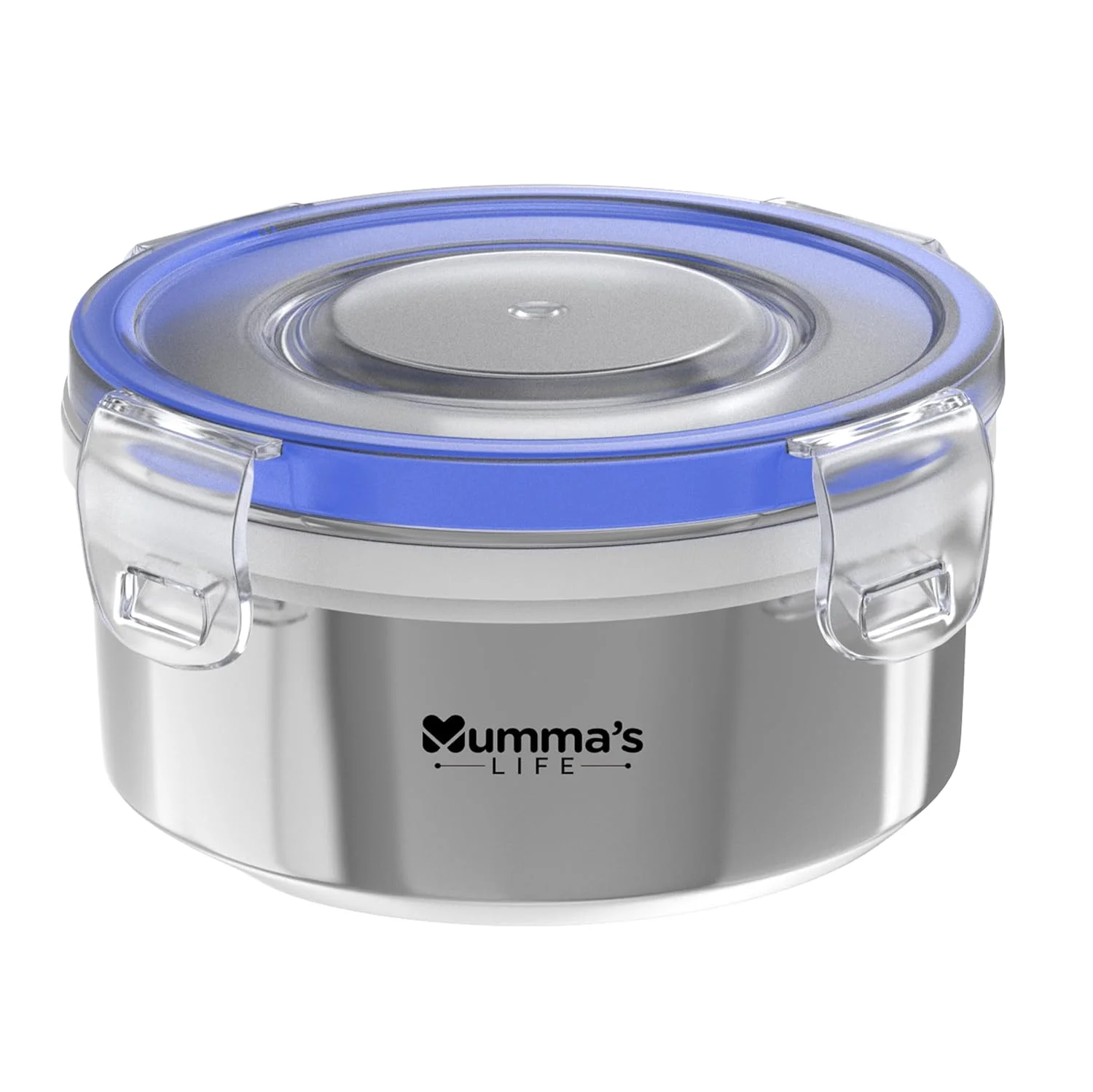
Comprehensive Analysis: Why the 360 ml Non-Magnetic Container is a Health Necessity
In the modern culinary landscape, the High Quality NonMagnetic Stainless Steel Body Container 360 ml has emerged as a critical tool for those seeking both functionality and long-term health safety. While the market is saturated with storage options, the distinction between "steel" and "austenitic non-magnetic steel" is where true quality lies.
1. Material Science and Non-Magnetic Properties
The primary advantage of our non-magnetic body is its Austenitic crystalline structure. Unlike ferritic steel (which is magnetic and often contains higher carbon), austenitic steel contains high percentages of Nickel and Chromium. This prevents the metal from reacting with acidic food items, a process known as chemical leaching. In many magnetic steel containers, storing tomato sauce or lemon-based products can lead to a metallic taste and the ingestion of micro-particles. Our 360 ml container ensures that your food's flavor and safety are never compromised.
2. Ergonomic Volume Efficiency: The 360 ml Standard
The 360 ml capacity is specifically designed to meet the anthropometric needs of the single-portion consumer. Whether it is a side salad, a protein-heavy post-workout meal, or pre-cut ingredients for a professional chef, this size provides the perfect balance between storage volume and pantry space optimization. The "Pack of 1" configuration allows users to scale their kitchen ecosystem without the clutter of unnecessary sizes found in bulk sets.
3. E-E-A-T and Authoritative Manufacturing
Our manufacturing protocol involves a multi-stage quality control process that exceeds standard commercial requirements. Every batch of 360 ml containers undergoes a Hydrostatic Leak Test and a Spectroscopic Grade Check. This level of transparency build trust (T) with the consumer, establishing our brand as an authority (A) in the sustainable kitchenware industry. The mirror-finish exterior is not just for beauty; it is achieved through mechanical polishing that reduces surface porosity, making it significantly harder for bacteria to colonize compared to plastic or rougher-grade metals.
Furthermore, the inclusion of a silicone-grade airtight gasket ensures that the vacuum seal remains intact for up to 24 hours, extending the shelf life of fresh produce by nearly 30% compared to traditional loose-lid storage. This is the intersection of science and daily convenience.
