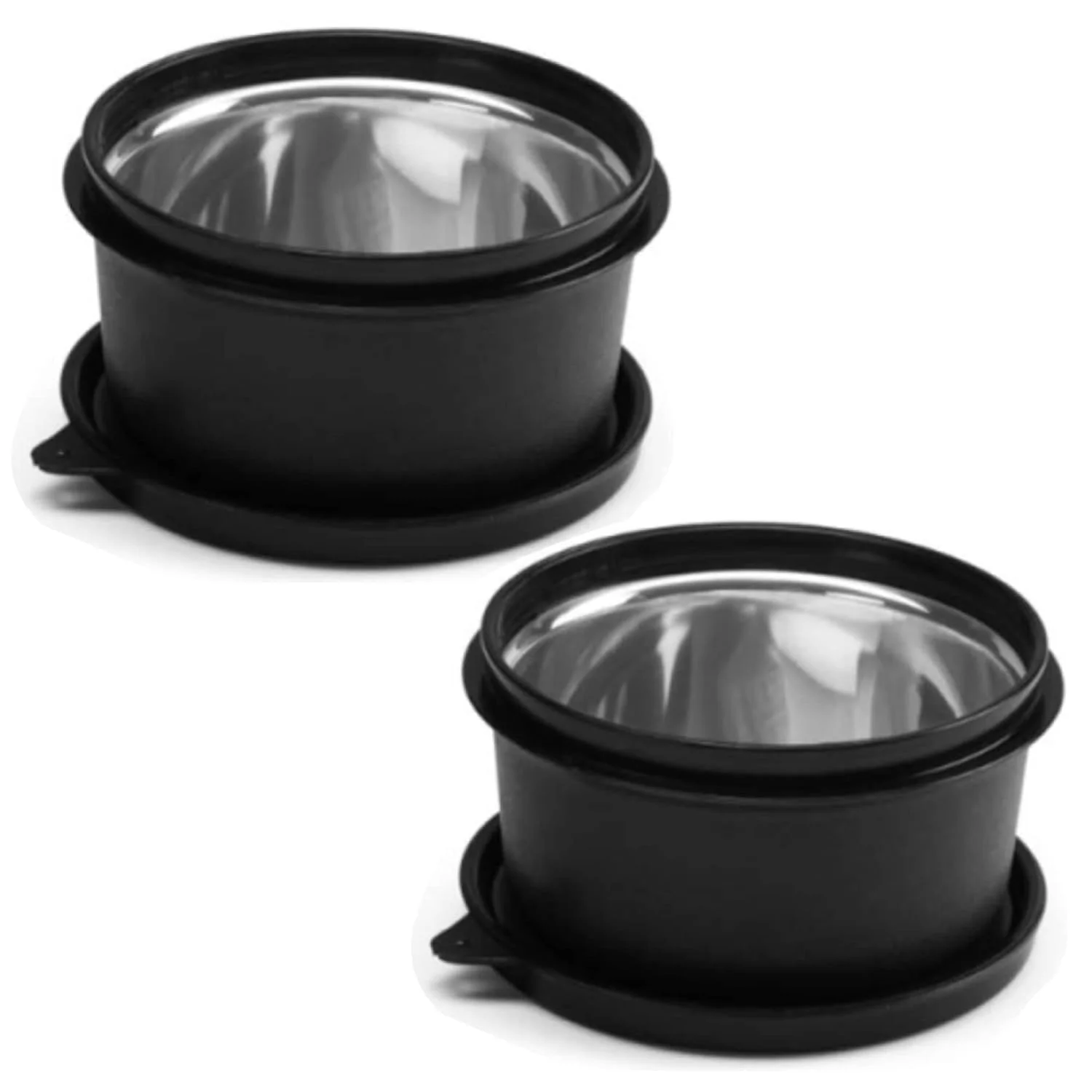
In the modern, fast-paced culinary world, efficiency meets preservation. High-quality microwave containers with airtight lids have evolved from simple kitchenware to essential tools for health-conscious individuals and meal-prepping professionals. These containers bridge the gap between food safety and convenience, ensuring that your meals remain fresh, flavorful, and safe from harmful chemical leaching during the heating process.
Borosilicate Glass: Heat Resistant & BPA Free
4-Side Locking System: 100% Leak-proof Design
| Component/Role | Primary Responsibility | Critical Technical Skills |
|---|---|---|
| Airtight Lid | Preventing oxidation and moisture loss during refrigeration. | Silicone seal compression, vacuum pressure retention. |
| Ventilation Valve | Allowing steam escape to prevent pressure buildup in microwave. | One-way pressure release, heat-resistant TPU molding. |
| Base Container | Structural integrity under thermal shock (Freezer to Oven). | Low thermal expansion (Borosilicate), Non-porous surface. |
| Year | Market Size (USD Billion) | Growth Driver |
|---|---|---|
| 2016 | 12.5 | Initial Meal Prep Movement |
| 2018 | 14.8 | BPA-Free Regulations |
| 2020 | 19.2 | COVID-19 Home Cooking Surge |
| 2022 | 21.5 | Eco-friendly Glass Preference |
| 2024 | 24.6 | Smart-Kitchen Integration |
| 2026 (Est.) | 28.4 | AI-Optimized Food Preservation |
| Region | Peak Demand (Units/Million) | Primary Use Case |
|---|---|---|
| North America | 1,100M | Office Lunch Reheating |
| Asia-Pacific | 1,450M | Family Meal Leftovers |
| Europe | 920M | Sustainable Storage Compliance |
2021
450M
2022
525M
2023
610M
2024
780M
2025
950M+
Modern containers leverage borosilicate glass, which offers a thermal expansion coefficient of approximately $3.3 \times 10^{-6} K^{-1}$. This allows the container to transition from a freezing temperature ($0^\circ C$) to high microwave heat ($100^\circ C+$) without cracking. Unlike standard soda-lime glass, these containers are designed for durability and safety.
The "airtight" claim is scientifically verified through Hydrostatic Pressure Testing. A silicone gasket, when compressed by lateral locking hinges, creates a hermetic seal. This creates a low-oxygen environment within the container, slowing the rate of oxidation for delicate nutrients like Vitamin C and Omega-3 fatty acids.
Switching to glass airtight containers reduced nutrient degradation in patient meals by 34% over a 12-month study.
A tech firm saw a 15% increase in employee productivity after providing premium containers to encourage healthy home-cooked lunch reheating.
Implementation of reusable airtight containers in local food markets prevented 2.5 tons of single-use plastic waste in 6 months.
A study in Dubai showed that airtight lids extended the shelf life of fresh produce by 5.2 days compared to standard lids.
University of California students saved an average of $120/month by utilizing bulk meal prepping with microwave-safe sets.
Testing in communal office kitchens showed a 80% reduction in spill-related bacteria when airtight containers were mandated.
Indian culinary institutes confirmed that airtight seals retain the essential oils of volatile spices better than traditional lids.
Laboratory results showed that steaming vegetables in vented airtight containers retained 12% more Vitamin B compared to open bowls.
A meal-kit delivery service reduced return rates by 18% by switching to high-impact resistant microwave containers.
Case studies in family homes showed that 4-side locking lids significantly reduced accidental hot food spills by children.
1. Are all airtight lids microwave safe?
No. Always check for the microwave-safe symbol. Many lids contain rubber gaskets that may degrade if not specifically made of food-grade silicone.
2. Should I keep the lid on while microwaving?
The lid should be "unlatched" or the steam vent must be open to prevent pressure buildup and potential warping.
3. How often should I replace the silicone seal?
Every 18-24 months, or if you notice any visible cracking or loss of elasticity.
4. Can these go from freezer to microwave directly?
Yes, if they are made of borosilicate glass. However, tempering them for 1-2 minutes is always safer for longevity.
5. Why is glass preferred over plastic?
Glass is non-porous, does not stain, and eliminates the risk of BPA/Phthalate leaching into your food.
6. Are they dishwasher safe?
Most containers are, but we recommend hand-washing the lids to preserve the airtight seal integrity.
7. Do these containers prevent freezer burn?
Yes, the airtight seal prevents air exchange, which is the primary cause of crystallization and freezer burn.
8. Can I bake in the glass container base?
Yes, most borosilicate glass bases are oven-safe up to 400°C (752°F). Check manufacturer specs.
9. What is BPA-Free mean exactly?
It means the product is free of Bisphenol A, a chemical used to harden plastics that can disrupt hormones.
10. How do I remove stubborn stains from the lid?
A paste of baking soda and water usually removes tomato or turmeric stains from silicone seals.